Why Travel Marketing Has to Sell the Feeling Before the Destination
Travel marketing has always sold places. The best travel marketing sells the person we imagine becoming once we get there.
By Josh Lewis | September 14, 2026

Photo by Alina Rossoshanka
Why the Feeling Comes Before the Travel Destination in Travel Marketing
Travel marketing has been focused on selling places. True travel marketing enables us to envision the person we will become after reaching the destination.
A hotel room is just a room. Travel by air is just a journey from one place to another. A beach is just a beach.
Yet people spend months, if not years, preparing for the trip of their dreams. That is because our journey of discovery starts much earlier than searching travel deals or making reservations.
The journey of discovery starts with a feeling.
When people plan their trips, they do not mention flight duration, hotel star rating, the number of available amenities, and so on.
They would rather describe their trip in terms of chances to walk in some place, sip drinks somewhere, show their kids places they used to visit when they were children, and finally check out a restaurant that was only visible through movies or pictures.
Traveling exists in our imagination before it happens. This raises the importance of storytelling.
Destinations in travel marketing should not merely inform customers about what they have. They should allow them to picture themselves being there.
Information Alone Is Not Enough
Within minutes, you could search for hotel prices, restaurant reviews, itineraries, videos, maps, recommendations, as well as hundreds of images.
That gives marketers an interesting challenge.
More information does not necessarily help with making the right choice. It might make places appear interchangeable.
An attractive pool. A nice restaurant. An old downtown. An ocean view. A luxurious hotel.
Anyone can say that.
The things that make experiences different are the stories behind them.
Why this place?
Why now?
What will I remember?
What will it mean to me to be there?
These questions are not easy to answer through an ad or a list of amenities. They require background and context.

Photo by Alina Rossoshanka
When Advertising Becomes Part of the Experience
This is where brands, destinations, and media outlets can create something really interesting.
Some of the most effective travel advertising does not feel like typical advertising.
It may start with the story of a neighborhood. A guide centered around how people actually spend their weekend. A food tradition that travelers never knew about. A seasonal custom. A historical hotel. A reason to visit right now, not sometime in the future.
This gives advertisers an opportunity to become part of the experience instead of just showing up next to it.
A hotel brand could help tell a place’s story. An airline can take part in getting travelers to a destination. A luggage company could be involved in preparation for the trip. A financial brand can help make the experience possible.
Food, fashion, beauty, automotive, technology, and retail brands have a logical role in travel, provided the starting point is the customer rather than the advertisement.
This is the appeal of integrated marketing.
The question changes from where an advertisement should be placed to where a brand naturally belongs in the story.
Travel Marketing Happens at Every Stage
There are several stages to the travel experience: before the trip, during the trip, and after the trip.
The experience begins with discovery, when something first attracts a traveler’s attention.
Next comes anticipation, preparation, research, and booking.
Then the trip itself finally arrives.
Afterward, people return with something to remember.
Each stage presents its own opportunities for marketers.
That means travel marketing should not only be aimed at the final transaction. It should create the desire to travel in advance and make planning easier.
Then it should help make the actual trip more interesting and memorable.
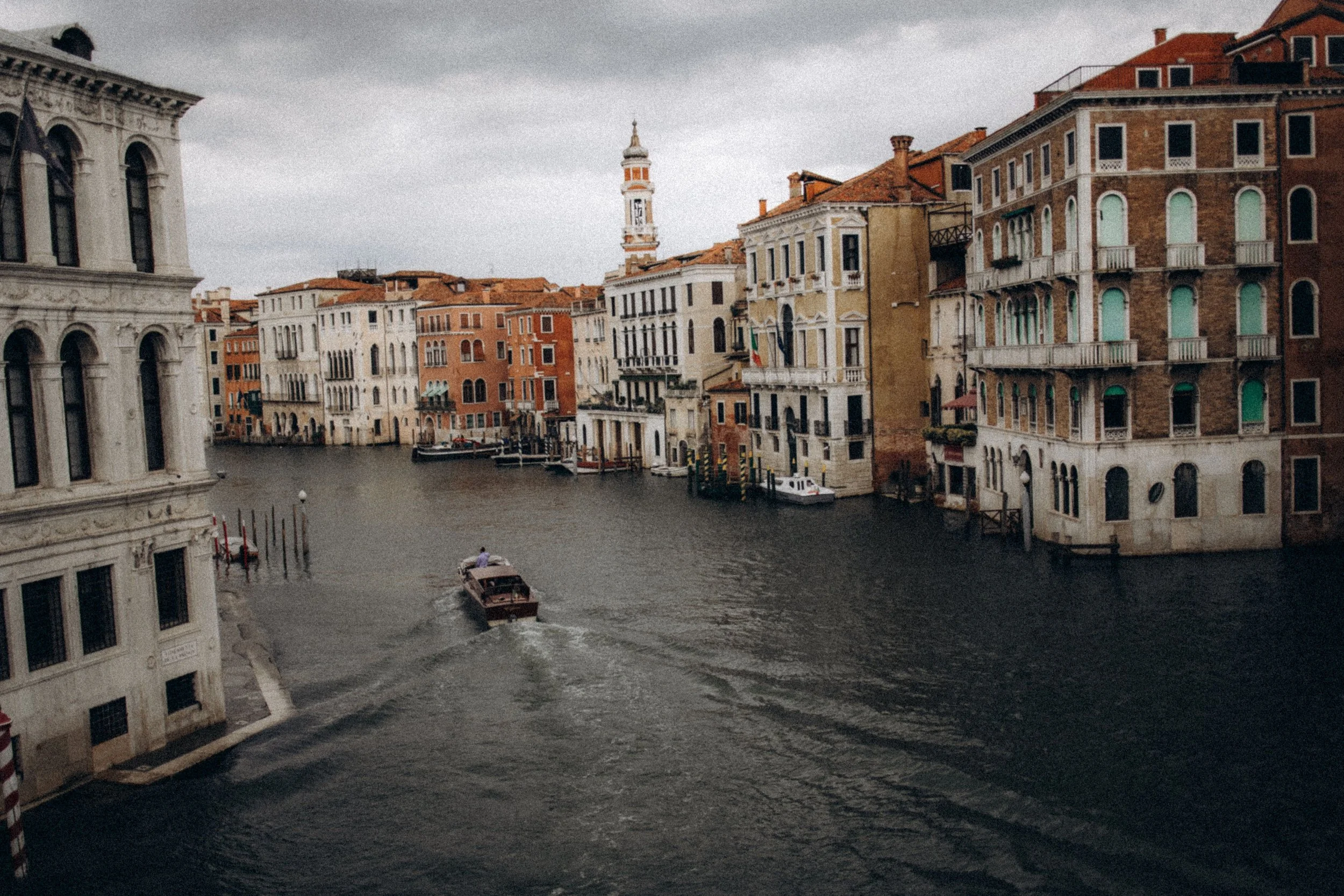
Photo by Alina Rossoshanka
The Experience Is the Product
My career has led me to think about marketing in this way.
Whether the product is connected to hospitality, event organization, travel destinations, or retail, people rarely remember every message a company gives them.
More often, they remember how the experience made them feel.
In travel, the destination, hotel, and itinerary all matter. But ultimately, they provide the setting for something much more valuable: the experiences people carry home with them.
And that is why the feeling comes before the destination.
About Josh Lewis:
Josh Lewis is a brand strategist and creative director based in Provincetown, Massachusetts and Chagrin Falls, Ohio helping consumer brands grow through branding, retail experiences, merchandising, and customer experience.