The Soul of a Place Is a Brand Strategy
By Josh Lewis | July 13, 2026

Image by Oliver LOK
After years of working with brands, I've found myself asking the same question over and over again:
Why do certain places stay with us long after we've left?
That question became much more personal during a visit to Giverny, France, the home of Claude Monet.
Like millions of people, I'd seen photographs of his gardens countless times. I'd read about them, studied the paintings, and imagined what it might feel like to stand beneath those famous archways.
Then one afternoon, I finally did.
What surprised me wasn't their beauty.
It was how familiar they felt.
Standing there, I realized something I hadn't expected. My experience hadn't begun when I walked through the garden gates. It had started years earlier through paintings, photographs, books, and stories that had quietly shaped my expectations long before I ever arrived.
That moment changed the way I think about branding.
The places that stay with us don't simply provide a service. They create an emotional connection long before we ever experience them in person.
That's what the strongest hospitality brands understand.
The guest experience doesn't begin at check in.
It begins with a story.

Image by Derwin Edwards
Luxury Is No Longer About More
For decades, luxury was measured by abundance. Larger suites, grander architecture, longer amenity lists, and increasingly elaborate experiences became the benchmark for exceptional hospitality. Somewhere along the way, "more" quietly became the definition of luxury.
Lately, though, I've started wondering if we've been measuring the wrong thing.
The most memorable places I've visited weren't necessarily the most extravagant. They weren't the ones with the largest rooms or the most elaborate architecture. They were the places that understood exactly who they were and never tried to imitate anyone else.
To me, that's where luxury begins.
It's the feeling that someone anticipated what mattered before you had to ask. It's walking into a space that couldn't exist anywhere else because every detail reflects the character of its surroundings. Authenticity isn't the opposite of luxury. In many ways, it has become luxury.
The hospitality brands that stay with us don't try to appeal to everyone. They focus on creating an experience so distinctive that the right guests never forget it.

Image by Wojciech Wyszkowski
Every Place Already Has a Story
One of the biggest misconceptions in branding is believing we need to invent a story.
In my experience, the strongest brands rarely invent one. They uncover what's already there.
Every property, neighborhood, vineyard, and historic home carries layers of history waiting to be discovered. Sometimes that story lives in the architecture. Sometimes it's found in the landscape, the craftsmanship, or the people who have shaped a place over generations. Even the smallest details, weathered stone, a garden that's been carefully tended for decades, or a handwritten menu passed down through a family, become part of the experience.
Great hospitality doesn't erase those details in pursuit of perfection. It embraces them. Those imperfections create authenticity, and authenticity is what guests remember.
The places that leave the deepest impression aren't interchangeable. They couldn't exist anywhere else because they're rooted in something genuine. That's what transforms a destination into a story worth returning to.
Brand strategy doesn't begin at check in. It begins long before a guest ever walks through the front door. It starts with the first photograph someone pauses on, the first sentence they read, and the first feeling they experience while imagining themselves there. Before anyone books a stay, they've already begun creating a story in their mind. Every image, every word, and every detail shapes that expectation.
Photography isn't simply documentation. It's an invitation. Typography isn't decoration. It gives a brand its voice and personality. Even the language on a website does more than communicate information. It creates atmosphere, setting the tone for the experience long before a reservation is ever made.
The strongest hospitality brands understand that every touchpoint contributes to the same story. Whether someone discovers a property through an article, a social post, or a recommendation from a friend, each interaction should reinforce the same feeling and answer one quiet question:
"Is this a place where I belong?"
The Details Speak Louder Than the Campaign
The strongest hospitality brands understand something that often gets overlooked.
Guests rarely remember the marketing campaign that first introduced them to a destination. What stays with them are the moments that couldn't have been scripted, the handwritten welcome note waiting in the room, the perfectly framed window overlooking the landscape, the morning coffee that arrived just the way they like it, or the concierge who recommended a hidden café that never appeared in a guidebook.
Those experiences don't happen because someone created a clever advertisement. They happen because hundreds of intentional decisions, many of them invisible to the guest, were made with the same purpose in mind. Every detail reinforces the same feeling, creating an experience that feels effortless, even though it has been thoughtfully designed.
That's what separates memorable brands from forgettable ones. Consistency isn't about repeating the same message across every channel. It's about creating the same emotional response, whether someone is visiting a website for the first time, arriving at the property, or reflecting on the experience years later.
The strongest hospitality brands don't simply communicate their values. They quietly demonstrate them through every interaction.
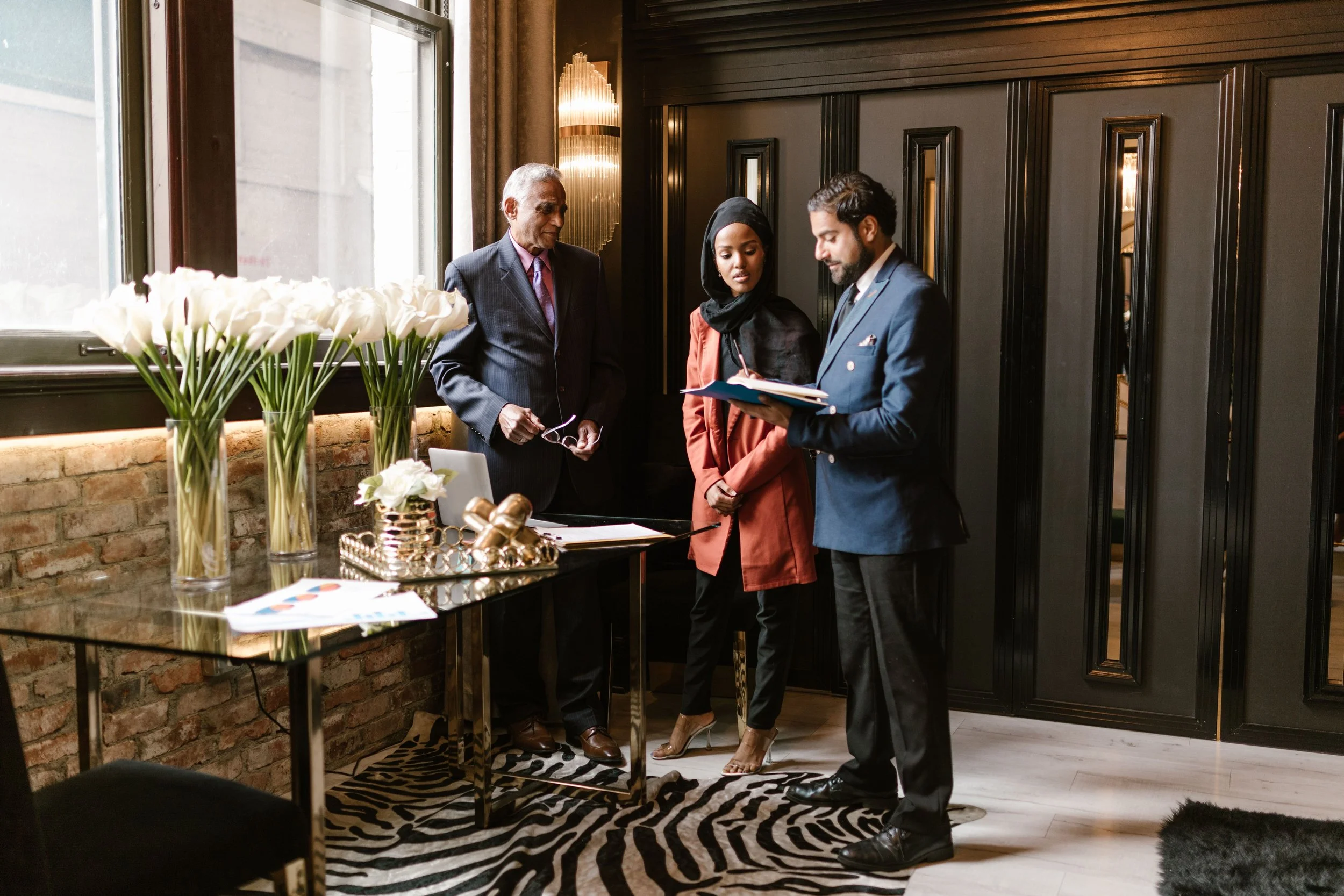
Image by RDNE Stock Project
What AI Cannot Replace
Artificial intelligence will undoubtedly reshape hospitality, and in many ways, it already is. It can recommend restaurants based on a guest's preferences, anticipate needs before they're expressed, personalize itineraries, streamline operations, and eliminate countless points of friction throughout the customer journey. Those capabilities are valuable, and they'll continue to improve.
What AI can't do is make someone feel genuinely welcomed.
It can't recognize the excitement in a guest's voice as they celebrate a milestone, sense when someone needs a quiet recommendation instead of a crowded attraction, or create the warmth that comes from authentic human hospitality. Those moments are built on empathy, intuition, and genuine care, qualities that technology can support but never fully replace.
The future of hospitality isn't about choosing between AI and people. It's about using technology to create more opportunities for meaningful human connection. When repetitive tasks are handled more efficiently, teams gain something far more valuable: the time and freedom to create memorable experiences.
The most successful hospitality brands won't be the ones with the most advanced technology. They'll be the ones that use technology thoughtfully, making every interaction feel more personal, more intentional, and ultimately, more human.
Brand Strategy Is Really About Memory
The longer I've worked with brands, the more I've realized that branding isn't really about logos, color palettes, or even positioning. Those things matter, but they're only the tools. The real goal is much simpler and much harder to achieve.
Brand strategy is about creating something people remember.
When someone leaves a hotel, a winery, or a destination, what story do they tell? What do they choose to share when a friend asks, "How was it?"
If the conversation begins and ends with the room, the view, or the amenities, the experience probably met expectations. But when people talk about how a place made them feel, how welcomed they were, how they lost track of time, or how they can't stop thinking about returning, something much more meaningful has happened.
That's where brands earn emotional equity.
The most memorable destinations don't just provide exceptional service. They become part of a person's story, creating memories that are revisited long after the trip itself has ended.

Image by Tianwang Xiao
The Places We Never Really Leave
There are places I've visited that still come to mind years later. Not because they were the most luxurious or the most expensive, but because they felt completely authentic. They knew exactly who they were, and they never tried to be anything else.
That's what I've come to admire most about exceptional hospitality. The goal isn't to be the biggest, the loudest, or the trendiest destination. It's to create an experience so genuine that it stays with people long after they've returned home.
The places we remember most aren't always defined by extraordinary architecture or flawless service. They're the ones where every detail, every interaction, and every decision feels connected to a larger story. They leave us with a memory that's difficult to explain but impossible to forget.
To me, that's the real purpose of brand strategy.
It's not simply about shaping perception. It's about creating experiences that become part of someone's life, stories they're eager to share and memories they'll carry with them for years.
Because in the end, the strongest brands don't simply occupy a location.
They become part of someone's story.
About Josh Lewis:
Josh Lewis is a brand strategist and creative director helping consumer brands grow through branding, retail experiences, merchandising, and customer experience.