Why Experiences Beat Advertising
The strongest brands don't chase attention. They create traditions.
By Josh Lewis | August 5, 2026
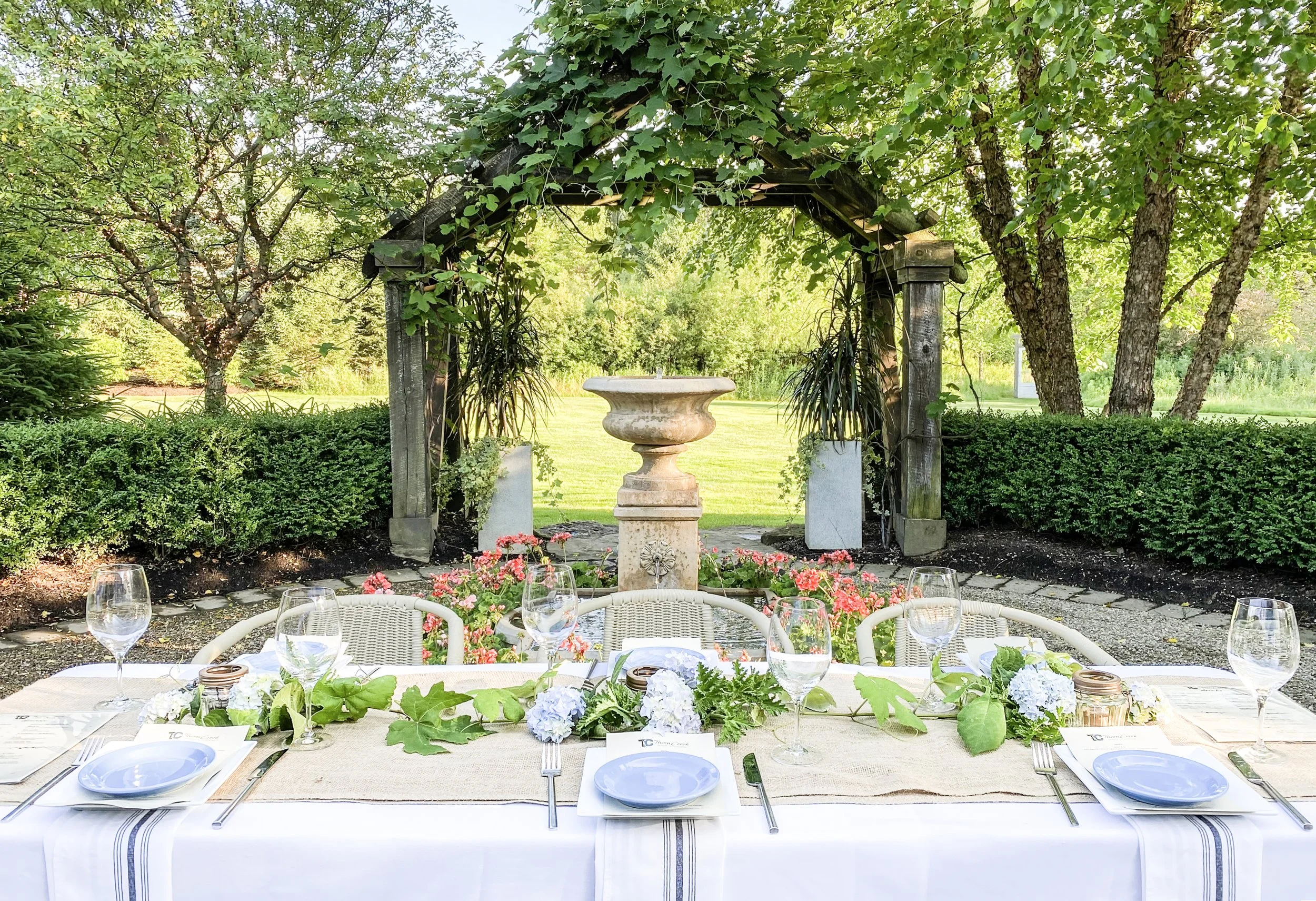
Former ThornCreek Winery English Gardens. Styling by Josh Lewis. Image by Josh Lewis
Every business wants more attention. More website traffic. More followers. More clicks. More impressions. It's easy to understand why. Attention feels measurable, immediate, and tangible. Entire industries have been built around capturing it. But attention has a frustrating habit of disappearing just as quickly as it arrives. A customer sees an advertisement, clicks a link, and moves on. An Instagram post performs well one day and is forgotten the next. A promotional campaign generates excitement until the offer expires and the cycle begins again. Attention is fleeting.
Experience is what remains.
The businesses that endure, whether they are wineries, museums, boutique hotels, retailers, or destinations, understand a different truth. They don't simply market themselves well. They create experiences that become part of people's lives. That's the difference between a business people notice and one people return to.
The businesses we remember rarely advertise their way into our lives.
Think about the places you visit every year. Perhaps it's the Christmas market your family never misses. Snow drifts quietly through the evening air as the scent of mulled wine, roasted cinnamon nuts, evergreen, and fresh baked pastries fills the street. Strings of warm lights glow overhead, musicians play somewhere in the distance, and every corner offers another detail worth lingering over. Or there’s the beach town you've returned to every summer since childhood. The restaurant where birthdays are celebrated without discussion because everyone already knows where they're going.
Now try to remember the advertisement that first convinced you to visit. Most of us can't because we remember the experience instead. We remember the people we were with, the feeling of the place, and the traditions that quietly formed around it. Memory isn't built by marketing alone. It's built by repetition, emotion, and shared experiences. That's why some businesses become landmarks while others remain transactions. I've spent much of my career working with places that were already beautiful and what I've learned is that beauty is rarely the limiting factor. A remarkable setting might persuade someone to visit once but it doesn't necessarily give them a reason to return.
Loyalty begins when a place becomes associated with moments people want to relive. That realization changed the way I think about branding. I stopped asking how businesses could attract more visitors and instead, I began asking how they could become part of someone's calendar. A calendar can be more powerful than a campaign.
Several years ago, I was working with ThornCreek Winery & Gardens in Aurora, Ohio. The property already possessed everything most wineries aspire to have. Award winning wines, beautifully maintained English gardens, fresh food prepared with local ingredients, and a setting that hosted more than sixty weddings each year. The challenge wasn't attracting first time visitors, it was creating meaningful reasons for them to return after the wedding had ended. Rather than building one large annual event, we built a rhythm of experiences throughout the year, especially once COVID hit, and the trajectory of experiences changed drastically.
Artisan Markets invited more than forty local makers to share the property with thousands of visitors. Yoga sessions in the ballroom promoted health and wellness. Paint and Sip evenings welcomed younger audiences who might never have considered visiting a winery. We even had a mentalist from Florence do an act near Halloween and hosted multiple comedians for standup nights which packed full audiences who were more than eager for a night of laughs. We offered private wine tastings in various spaces for different experiences, whether they were intimate, educational, romantic, or group centric. Every event had to accomplish more than filling seats. It had to create an experience people would remember long after they drove home.
None of those experiences existed in isolation. Together, they reshaped how people thought about ThornCreek. It was no longer simply a winery. It became a place where something was always happening. People stopped asking whether they should visit. They started asking what was happening next and that distinction matters. Communities aren't built around businesses, they're built around anticipation.
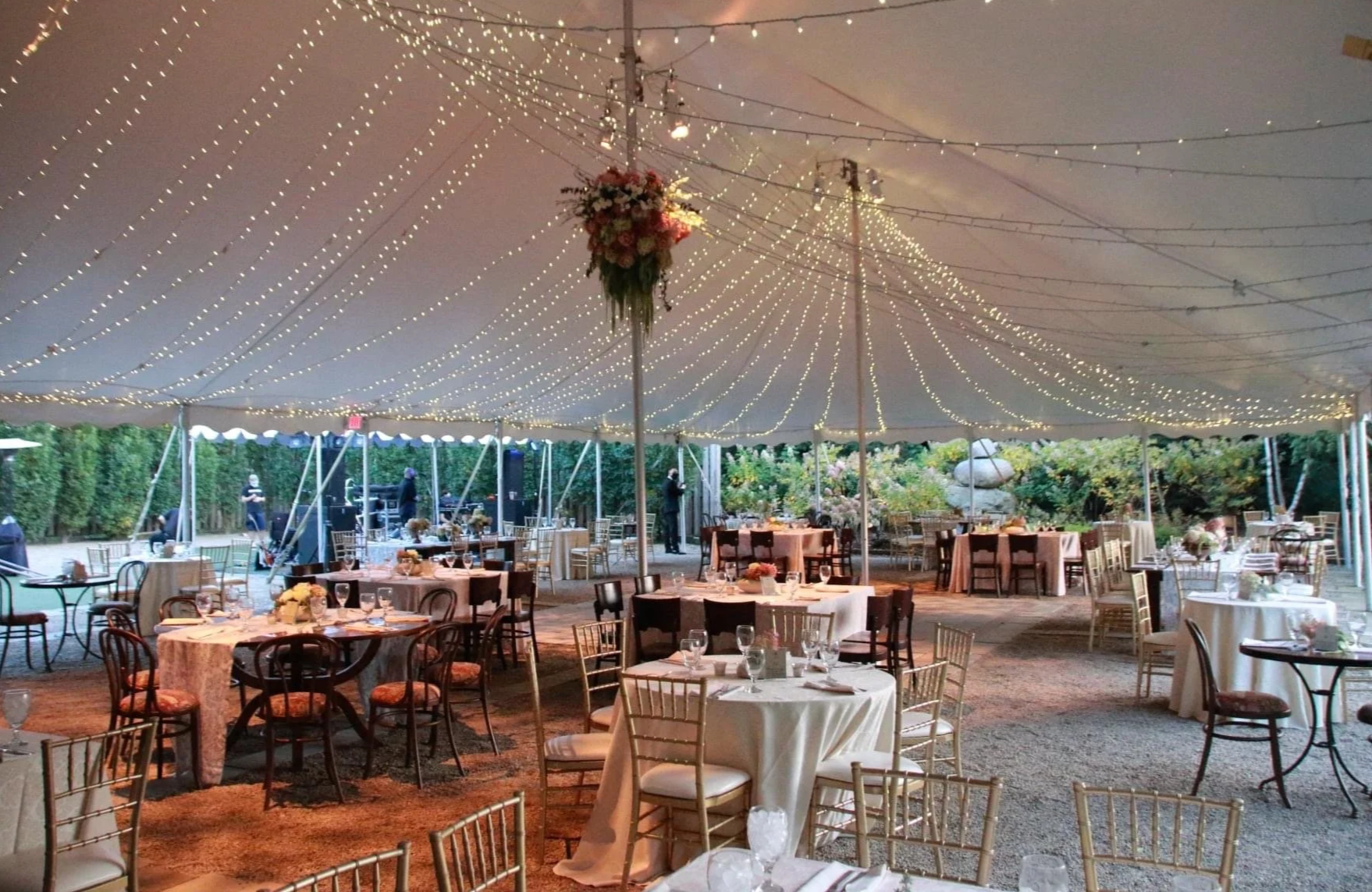
Former ThornCreek Winery setup for Summer Gala Event. Image by Josh Lewis
The best marketing often benefits someone else first.
One of the most successful initiatives wasn't designed to sell another bottle of wine. It was designed to support other small businesses. The Artisan Markets gave local makers a platform to introduce their work to new audiences. In return, those businesses brought customers who might never have discovered ThornCreek otherwise. Everyone benefited. The same philosophy shaped an event we later hosted for regional content creators. Rather than inviting influencers to photograph the property and leave, we included professional headshots as an unexpected part of the experience. It wasn't expensive, It simply acknowledged that meaningful generosity is memorable. They got to meet and hear David Thorn, the owner, founder and creator, speak about his creation and thought process. We didn't invite creators because we wanted photographs. We invited them because people talk differently about places once they feel personally connected to them. By the end of the evening they hadn't simply sampled wine. They understood David's philosophy. They knew the gardens. They had become part of the story themselves.
We truly had an enjoyable evening together, which generated media coverage and social sharing, not because we pursued publicity, but because we created an experience people genuinely wanted to talk about. The lesson has stayed with me ever since. People are far more likely to share something that made them feel valued than something that merely asked for their attention.
Experience is becoming the last true competitive advantage.
Artificial intelligence is changing the economics of marketing. Businesses can generate advertisements, websites, social media campaigns, and promotional copy faster than ever before. As these tools become more accessible, producing content will become less of a competitive advantage. Creating meaningful experiences will not. AI will continue making marketing easier. It won't make belonging easier. It won't create annual traditions. It won't convince three generations of one family to return to the same museum every December. It won't recreate the anticipation of a Harvest Dinner that guests have looked forward to for years. Technology can communicate an experience. It cannot replace one.
Because the moments that shape our loyalty are still profoundly human.
When I begin working with a client, I rarely ask how they plan to advertise. Instead, I ask a different question.
If your business disappeared tomorrow, what would people genuinely miss?
Would they miss your products, or would they miss the experiences, traditions, and memories your business created for them? The answer often reveals the greatest opportunity. Because remarkable brands aren't remembered for having the loudest advertising, they're remembered for becoming part of people's stories. That's what turns customers into regulars and regulars into advocates, and businesses into institutions.
Advertising may persuade someone to visit once. Experiences are what give them a reason to return, year after year, until a business becomes something much more than a place to visit. It becomes part of their tradition.
About Josh Lewis:
Josh Lewis is a brand strategist and creative director based in Provincetown, Massachusetts and Chagrin Falls, Ohio helping consumer brands grow through branding, retail experiences, merchandising, and customer experience.