
Mastering the Video Production Process
- Bonsai Media House

- Jul 22, 2025
- 4 min read
Creating compelling video content involves a well-structured workflow that ensures every project runs smoothly. From the initial idea to the finished product, each step in the video production process is crucial. Understanding this process can help you create engaging videos that captivate your audience. In this guide, we will break down the essential components of the video creation workflow and provide actionable tips to master your video production journey.
Understanding the Video Creation Workflow
The video creation workflow encompasses various stages that guide you through the video production process. This workflow helps in planning, executing, and delivering high-quality videos. A well-defined workflow minimizes errors and ensures that every aspect of the video aligns with your overall vision.
To get started, it's essential to define your objective clearly. Are you creating a promotional video, educational content, or entertainment? Knowing the purpose will dictate the direction of your production, including budget, resources, and audience engagement strategies.
The Importance of Pre-Production
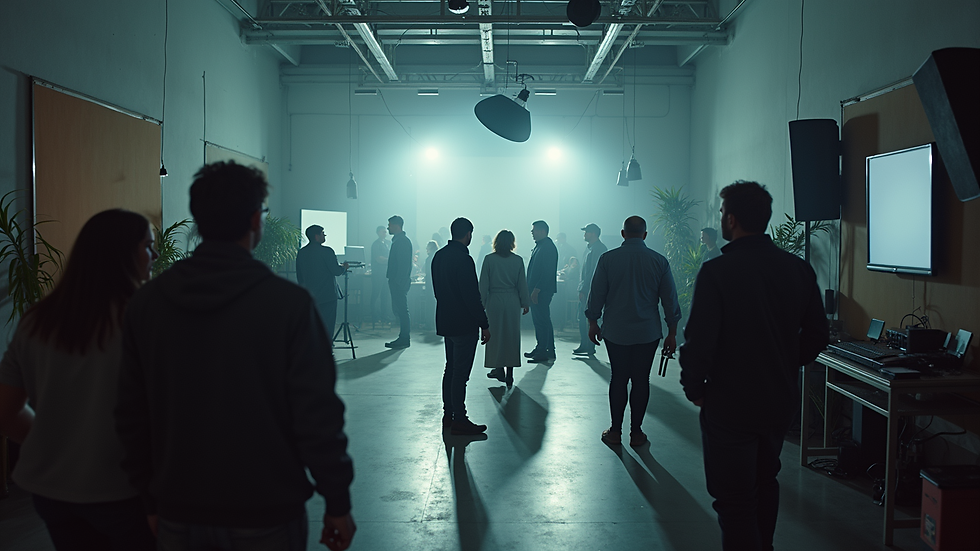
Before any footage is captured, the pre-production phase is vital. This stage involves planning, scripting, and organizing the logistics necessary for a successful shoot. Key components of pre-production include:
Storyboard Creation: Sketching out scenes helps visualize how your video will unfold. This can be a simple drawing or a more detailed digital version.
Scriptwriting: A well-crafted script serves as the backbone of your video. Make sure it flows naturally and includes all necessary information.
Casting: If your video requires actors or presenters, choose individuals who resonate with your target audience. Conduct auditions to find the right fit.
Location Scouting: Identify the best locations for your scenes. Ensure they align with the video's theme and message.
Scheduling: Create a production schedule that outlines when each part of the video will be shot. Having a clear timeline helps manage time effectively.
By rigorously planning during pre-production, you set the stage for a successful shoot and ultimately enhance the quality of your video.

What are the Five Stages of Video Production?
The video production process consists of five distinct stages:
Pre-Production: As discussed, this stage is about planning every detail of your video.
Production: This is when you start filming. Ensure that equipment is set up correctly and that everyone understands their roles. The quality of lighting and sound greatly affects your final product, so pay close attention during this phase.
Post-Production: After filming, it's time to edit the footage. Use software like Adobe Premiere Pro or Final Cut Pro to cut, arrange, and enhance your video. Add in transitions, effects, and soundtracks to polish your creation.
Distribution: Once your video is finished, it's time to share it. Determine the best platforms for your audience, whether that’s social media, websites, or email newsletters. Tailor your approach for each channel to maximize engagement.
Evaluation: After distribution, assess your video’s performance. Analyze metrics such as view counts, engagement rates, and feedback. Use this data to improve future projects.
By understanding each stage of video production, you can better manage your projects and ensure they are completed on time and within budget.
Essential Equipment for Video Production
Having the right equipment can significantly enhance your production quality. Here are some essential tools to consider:
Cameras: Invest in a quality camera suited for your budget. DSLRs and mirrorless cameras are popular due to their versatility.
Microphones: Good audio quality is crucial. Use lavalier mics for interviews or shotgun mics for capturing ambient sound.
Lighting: Proper lighting can turn average footage into a cinematic masterpiece. Consider softbox lights for indoor shoots and reflectors for outdoor settings.
Tripods and Stabilizers: To keep your shots steady, use tripods or gimbals. A shaky video can distract viewers and degrade production value.
Be sure to familiarize yourself with your equipment before the shoot. Practice using each piece to ensure a seamless production experience.

Tips for a Successful Video Shoot
Executing the shoot effectively is crucial. Here are some practical tips for ensuring a smooth production day:
Arrive Early: Give yourself extra time to set up and troubleshoot any issues before shooting begins.
Communicate Clearly: Establish a clear line of communication among the crew. Use walkie-talkies or simple hand signals to relay important information without disrupting the shoot.
Do Test Shots: Always take a few practice shots to check lighting and sound levels. Test the framing of your shots to ensure everything looks good on camera.
Be Flexible: Even with the best plans, things can go awry. Be prepared to adapt to changes, whether it’s due to weather, location issues, or last-minute script tweaks.
Review Footage: After each scene, review the footage to ensure it meets your quality standards. This prevents you from having to reshoot later.
By staying organized and maintaining a positive attitude, you can tackle any challenges that arise during the shoot.
Final Thoughts on Mastering Video Production
Mastering the video production process is an art that combines creativity, strategy, and technical know-how. With each project, you will continue to refine your skills and enhance your workflow. Following the outlined stages and tips can help you create outstanding videos that resonate with your audience.
Whether you are a beginner or an experienced creator, always strive for improvement. Gather feedback, study successful videos, and embrace new technologies. Remember, the world of video production is constantly evolving, and staying up-to-date is crucial for long-term success.
By developing a solid understanding of the entire video creation workflow, you’ll be better equipped to produce impactful content. Plus, you’ll find joy in the entire process—from brainstorming ideas to watching your final video come to life.
Incorporate these strategies, and watch as your video projects steadily improve. The journey of mastering video production is ongoing, but with passion and dedication, you can achieve remarkable results.


Comments